
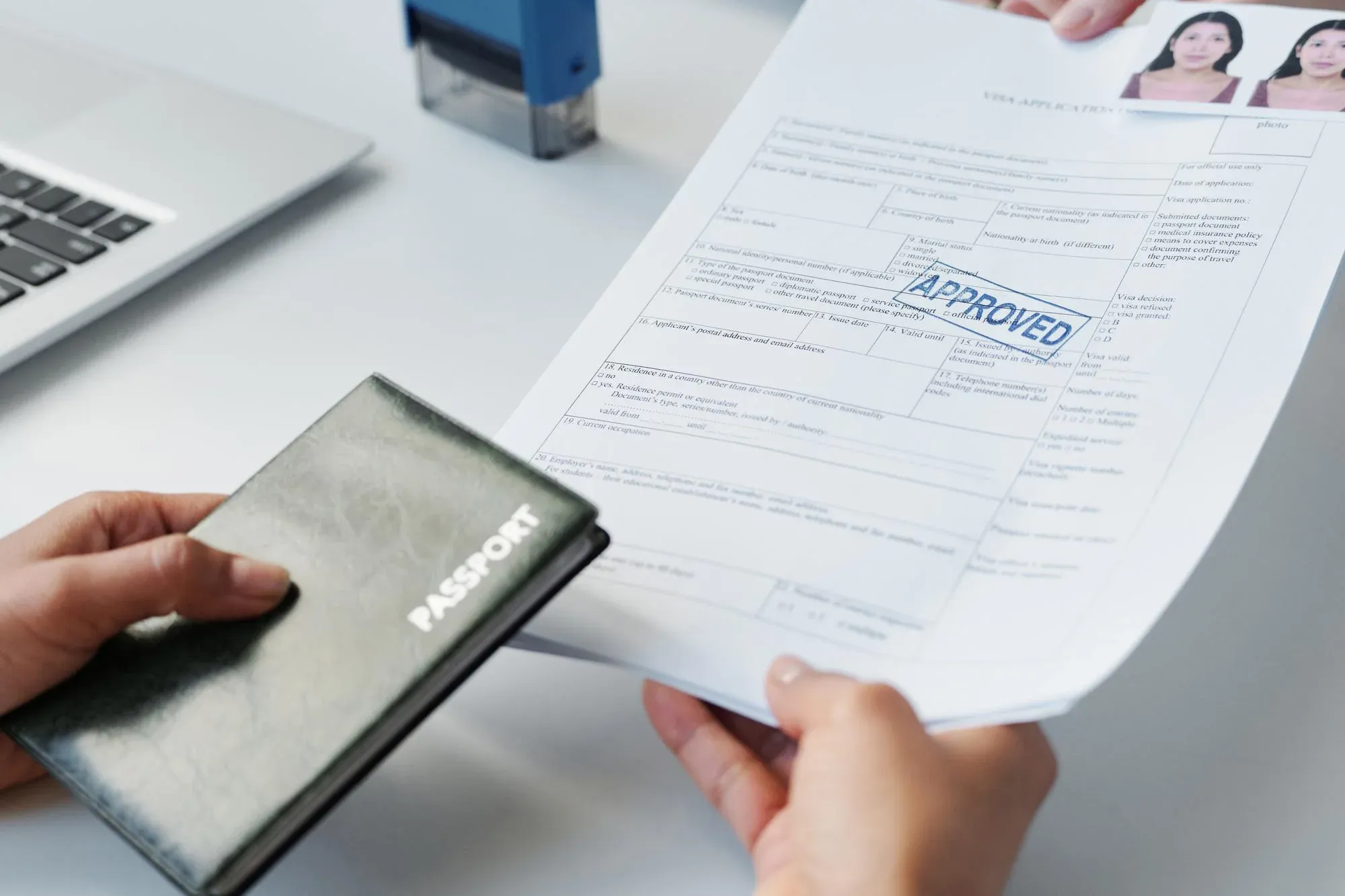

Every year, thousands of professionals, entrepreneurs, and families move to the United Arab Emirates. The reasons are clear. The country offers safety, modern infrastructure, and a tax-friendly environment. Healthcare also ranks among the best in the area. Startup registration takes days, not months. To those who want more than a temporary stay, UAE residence visa opens doors. It removes the stress of visa renewals and allows people to plan their futures. This guide will tell more about how to get permanent residency in UAE and the conditions that apply to anyone serious about calling the UAE home.
UAE Residency: What It Means and How It Works
People from other countries can get a UAE residence visa to stay there for years. The time limit differs by category. Certain visas run for two years. Others extend to 5 or even 10 years. Holders can extend them as often as necessary.
One key point to keep in mind: permanent residency and nationality are not the same. Holding a residence permit does not turn someone into an Emirate citizen. A passport is granted by birth, marriage, or naturalization after 30 years of uninterrupted stay. On occasion, the government awards it to people with remarkable achievements or to those who invest significant funds in the country.
So, how does a person get this permit? Multiple paths lead there. Someone can launch a firm, set up as a freelancer, acquire property, place money in a fixed deposit account, secure a role with a local employer, or attend a higher education institution.
Why Are People Choosing UAE Residence Visa?
A Dubai residence visa grants legal status. It also gives advantages that affect daily activities.
- Bring your family. You can financially support your partner, children, and, often, your parents, too, like a software engineer in Dubai who brings their elderly parents over to get better medical care.
- Work legally. You can take any job without restrictions: at big companies like Emirates or Emaar, or at the many startups in free zones.
- Get banking services. Open accounts easily at banks like ENBD or Mashreq. Apply to get car loans, mortgages, and credit cards; things tourists can't do.
- Access to good healthcare and schools. Your family can use top hospitals like the Cleveland Clinic Abu Dhabi and quality schools like GEMS or Dubai College.
- Keep your full salary. No income tax means your AED 30,000 paycheck stays exactly that.
The Golden Visa stands out because it's designed to last long. Once someone gets it, they have the right to live in the country for a full ten years without depending on any job.
Residency Classifications in the United Arab Emirates
The country provides multiple roads to residency. Each one fits a specific situation and has its own set of conditions.
Golden Visa
This one attracts the most attention among visa types in UAE. It remains valid for a decade and eliminates the need for a local sponsor or employing company. Recipients may settle down, launch businesses, and invest in local markets freely.
Entrepreneurs, highly qualified experts, researchers, and promising graduates frequently meet the criteria. A fintech entrepreneur establishing operations in Dubai Internet City, as an example, can get this permit and remain for a long time without annual renewal stress.
To business founders and capital investors, the Golden Visa offers extended residency. It opens business opportunities throughout the UAE, particularly within expanding industries such as tech, commercial enterprise, and property development.
Green Visa
This kind of UAE residence visa provides five years of independent, self-sponsored status. No Emirate sponsor required, and no company involvement needed.
Independent contractors and qualified workers gain the most from this path. Example: A freelance web developer serving international clients submits an application, resides in Abu Dhabi, and manages all documentation on their own.
Student Visa
Nonresident students enrolled in accredited educational institutions are eligible for a 1-year study permit. Sponsorship may be provided either by a parent who already holds UAE residency or by the institution itself. The authorization might be renewed each year as long as the student remains actively registered and continues progressing in their academic program.
Dependent Visa
In the UAE, anyone who gets at least 4,000 dirhams a month may bring their husband or wife, kids, and even their own parents on a residence visa. If the salary is 3,000 dirhams, but the company gives free housing, it works too.
Retirement Visa
Foreign residents aged 55 or above, as well as individuals with at least 15 years of professional experience, may apply for a five-year retirement visa. Eligibility requires meeting one benchmark:
- own property worth at least AED 1 million;
- keep AED 1 million in a UAE bank account;
- prove a monthly income of AED 15,000–20,000.
The UAE residence visa applicants are likewise required to demonstrate that they can meet their own financial obligations and obtain suitable health insurance to cover their continuing living expenses.
Step-by-Step Guide in 2025
The process adheres to a defined sequence of steps. If any stage is missed or the paperwork is incomplete or incorrect, it causes delays and, in some cases, rejection of the application.
This is UAE residence visa process step-by step system:
Step 1. Figure Out Your Category
First, you must recognize which kind of visa matches your circumstances. The purpose behind the relocation determines the path forward: a job offer, putting capital into the economy, pursuing studies, or getting together with household members already present. Speaking with advisors, like the team at ExecDubai, brings clarity from the outset. Our team offers eligibility assessments to stop candidates from applying under the wrong classification and having to begin the whole procedure again.
Step 2. Get a Guarantor
Every UAE residence permit needs an official sponsor backing it. If you're on an employment visa, your company steps in. Students get sponsorship from their university or from a parent who's already living there legally. Family members also sponsor their spouse, kids, or elderly parents.
Golden and Green Visas, however, offer an exception. These allow qualified applicants to act as their own sponsors. Now, there’s no need for corporate or familial backing.
Step 3. Get an Entry Authorization
The following action involves getting an entry permit. The sponsor submits this request via official immigration platforms. The paperwork grants lawful passage into the UAE specifically to wrap up residency procedures. Arriving on a visitor stamp without it creates significant complications.
The authorization stays active 60 days. It gives sufficient time to settle down and handle outstanding tasks.
Step 4. Finish Health Screening and Emirates ID Enrollment
Upon coming to the UAE, two obligations follow right away.
The first is your health examination. Medical checkup conducted at a government-approved clinic. The assessment identifies any infectious diseases and is typically completed within an hour.
Second, signing up to get an ID: a national identity document required of every resident. Biometric information, including fingerprints and photos gets captured during this visit. Facilities operate throughout Dubai, Abu Dhabi, and neighboring emirates.
Step 5. Immigration Review and Document Review
Once you get a positive decision on the medical check, the guarantor collects all the papers and sends it off to the right government office to apply for your UAE residence visa.
In Dubai, it means handing it over to GDRFA, the department that handles residency and foreigners. Everywhere else in the UAE, the same paperwork goes to ICP, the federal office in charge of identification, legal status, and border control.
Applicants will require the standard set of documents: current passport, health screening outcomes, their Emirates ID submission form or confirmation slip, and several recent photographs. Processing duration differs based on location and workload levels.
Step 6. Get the Emirates ID Card
The final phase comes after the visa stamp appears in the passport. The physical ID card becomes available shortly after.
Some people get it delivered by courier, while others pick it up from designated collection centers. This card is the primary ID for everything: opening bank accounts, signing internet contracts, joining gyms, and accessing municipal services.
Basic Documentation to Get a UAE Residence Visa
When individuals collect the documents prior to filing, they may avoid delays and rejections. While the exact requirements depend on the visa category and which city handles it, most applications need a standard set of paperwork.
Core documentation list comprises:
- Current passport with no less than 6 months' validity left.
- Recent passport-format photographs captured against a clear background.
- Completed visa request form.
- Duplicate of the entry authorization.
- Medical check outcomes issued by a certified clinic.
- Evidence of health insurance coverage.
- Emirates ID enrollment form.
Papers based on permit type:
- Job-related authorizations: signed employment agreement alongside the sponsor company's commercial license.
- Any certified document confirming ownership of real estate.
- Household sponsorship: legalized marriage documentation or children’s birth records.
UAE residence visa requirements change between Dubai, Abu Dhabi, and the surrounding emirates. If a person submits outdated files or leaves out key items, it can be a primary cause of denied applications. Working with professionals at the ExecDubai team means the paperwork aligns with current requirements and reaches the right department without errors or missing items.
UAE Residence Visa Expiry Rules
When talking about UAE residence visa expiry, your top priority should be getting the visa renewed before it runs out. Give yourself at least a month to handle it. Submit a few documents, like a current medical certificate and sometimes an updated Emirates ID. Getting these ready ahead of time makes the whole process easier.
If someone's visa does expire, they get a 30-day grace period to renew. But here's the catch: they'll still face penalties during those 30 days, even if they apply right away.
People who put off renewing their residency in the UAE end up paying way more money. The fine keeps growing every single day they stay overdue. Sometimes, the authorities require a new medical check to confirm they don’t have any contagious illnesses before they accept the renewal. Since the ID is linked straight to the residency visa, the card has to be renewed at the same time, or it stops working properly. Delaying the whole thing just creates extra headaches and costs.
Consider a software engineer whose visa expired a month ago. Aside from paying the accumulated overstay fines, they may be asked to repeat their medical test before the renewal will be processed. After that, they must also apply to get a new card, so all records remain valid and consistent with their updated visa.
If you accumulate too many fines, the authorities may ask you to leave the country. So you should keep an eye on the UAE residence visa expiration date and handle the renewal on time. It saves money and maintains residency status.